
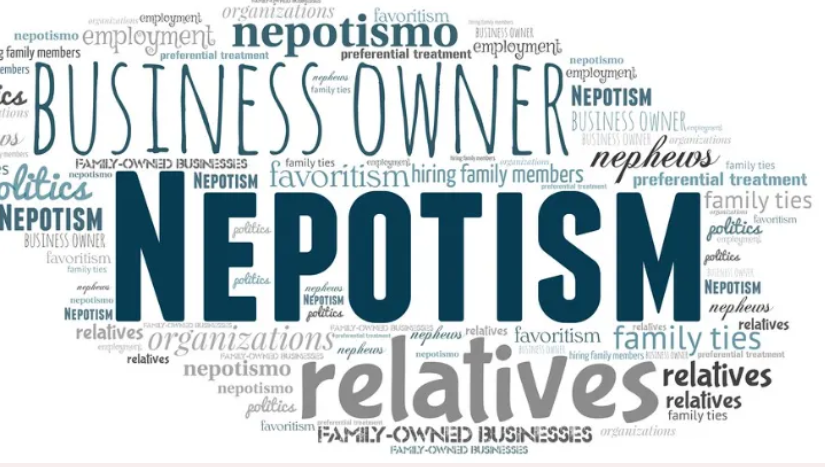
The culture of nepotism, defined as giving advantages or policies to family members, is sometimes seen as a bad thing in various aspects of life. However, there are some cases where nepotism practices can benefit specific organizations or groups.
For example, in family businesses, nepotism is often applied to maintain business continuity and product quality or service quality. Families who own businesses can easily teach values and skills to other family members and provide opportunities for them to learn and grow within the company. In this case, nepotism can improve the ability of the family to run the business.
In addition, in some countries, such as Japan, nepotism in politics is seen as typical. There, the families of politicians usually inherit political seats from their family members who previously held political positions. This is often seen as a way to maintain policy consistency and strengthen power networks.
However, although nepotism can provide benefits in some cases, there is still the potential for abuse of power and corruption. Therefore, efforts must be made to anticipate the adverse effects that may arise from nepotism practices.
One way to reduce the risk of abuse of power is to ensure that the selection of family members for specific positions is based on their qualifications and abilities. Objective and transparent decision-making can help ensure that the most competent and skilled person is chosen for the job, rather than just because they are a family member.
In addition, effective monitoring mechanisms are needed to avoid abuse of power. Oversight can be done by external parties, such as auditors or independent monitors, or by the organization, such as an ombudsman or ethics committee.
So, the culture of nepotism is sometimes good if applied wisely and appropriately. However, it should be remembered that the risk of abuse of power and corruption can occur. Therefore, efforts must be made to anticipate and prevent adverse effects that may arise from nepotism practices.
Hey! You can also read this short English article on my Medium blog.
 Perspexto
Leave a comment